


In 2025, AI-driven scams are more convincing, personalized, and widespread than ever. Even experienced users fall victim to fake voices, synthetic identities, and deepfake endorsements. True security means staying ahead of every threat. This guide will show you how to recognize AI-powered scams and protect your assets—without compromising control or convenience.
What Are AI-Driven Crypto Scams?
AI-driven scams use artificial intelligence to automate, personalize, and scale fraudulent activities. While traditional scams rely on poor security hygiene, AI scams, by contrast, rely on illusion—they manipulate perception and mimic trust at scale.
| Feature | Traditional Crypto Scams | AI-Driven Crypto Scams |
|---|---|---|
| Personalization | Low | High (tailored messages, voices) |
| Scale | Limited | Mass automated campaigns |
| Detection Difficulty | Moderate | Very high (deepfakes, synthetic IDs) |
| Examples | Phishing emails, fake ICOs | Deepfake videos, voice cloning scams |
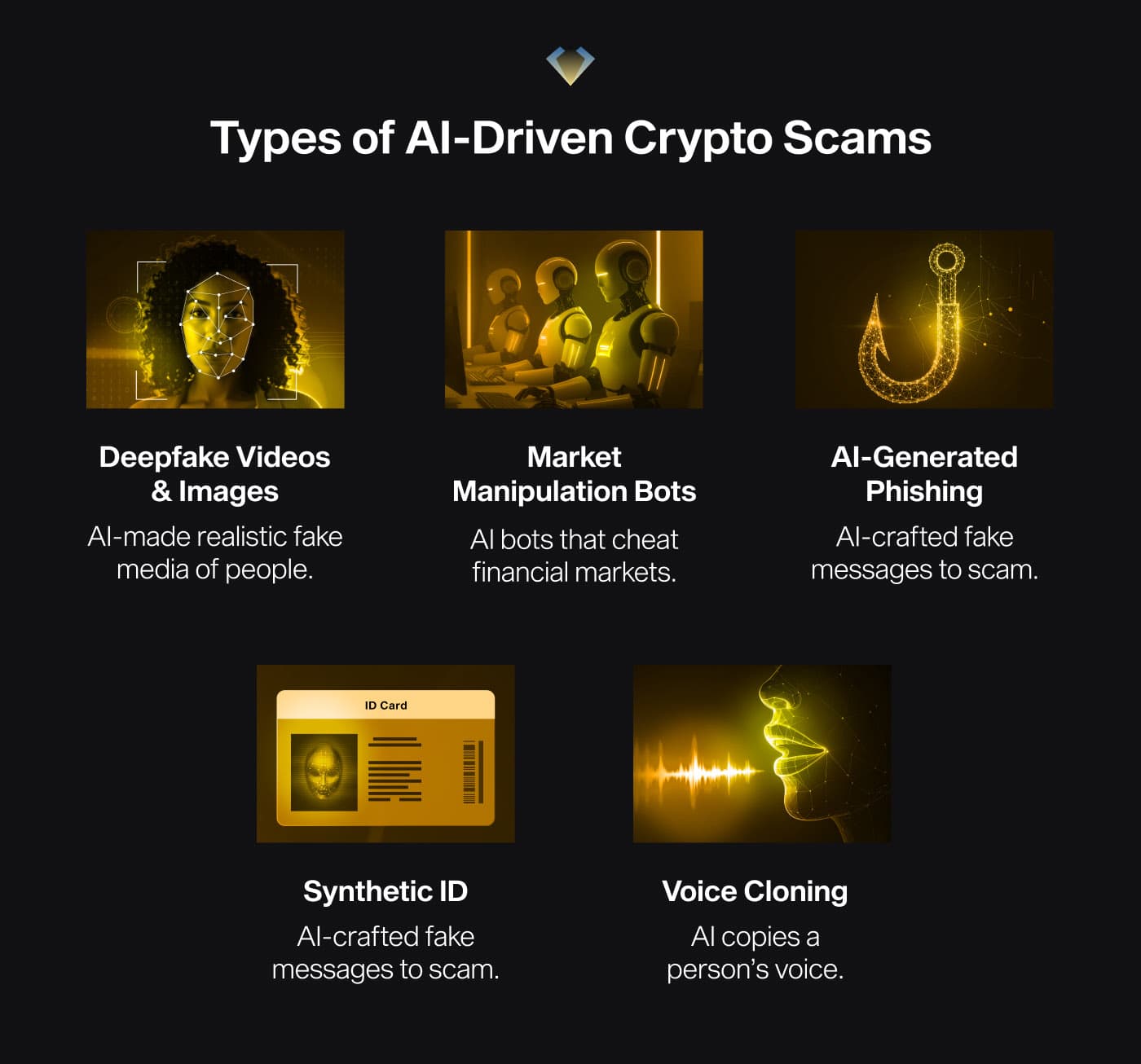
Common Types of AI-Powered Crypto Scams
Deepfake Videos & Images
Scammers use AI to create fake videos or images of celebrities or crypto leaders endorsing fraudulent projects. These are often circulated on social media to lure victims. For example, deepfakes of Elon Musk contributed to billions of dollars in fraud losses in the U.S.
Voice-Cloning Scams
AI can mimic the voices of family members, colleagues, or even company executives, making urgent requests for crypto transfers or sensitive information. If you don't believe it, see how a reporter scammed their bank with an AI voice generator and a phone call.
AI-Generated Phishing Attacks
Phishing emails, websites, and messages are now tailored using AI to appear highly authentic and personalized, increasing their success rate. Take a look at this breakdown of a crypto Ponzi scheme website.
Synthetic Identities
Criminals create AI-generated fake profiles, complete with realistic photos and social media activity, to build trust and execute scams or bypass KYC checks. For example, North Korean spies use real-time deepfake technology to infiltrate organizations through remote work positions. This article shows the alarming ease of creating a synthetic ID.
Market Manipulation Bots
AI-powered bots can create hype around tokens, coordinate pump-and-dump schemes, or impersonate legitimate trading signals. According to Chainalysis, suspected wash trading (using bots to inflate trading volume by repeatedly buying and selling the same assets) on select blockchains may account for up to $2.57 billion in trading volume.
Red Flags: How to Spot an AI-Driven Scam
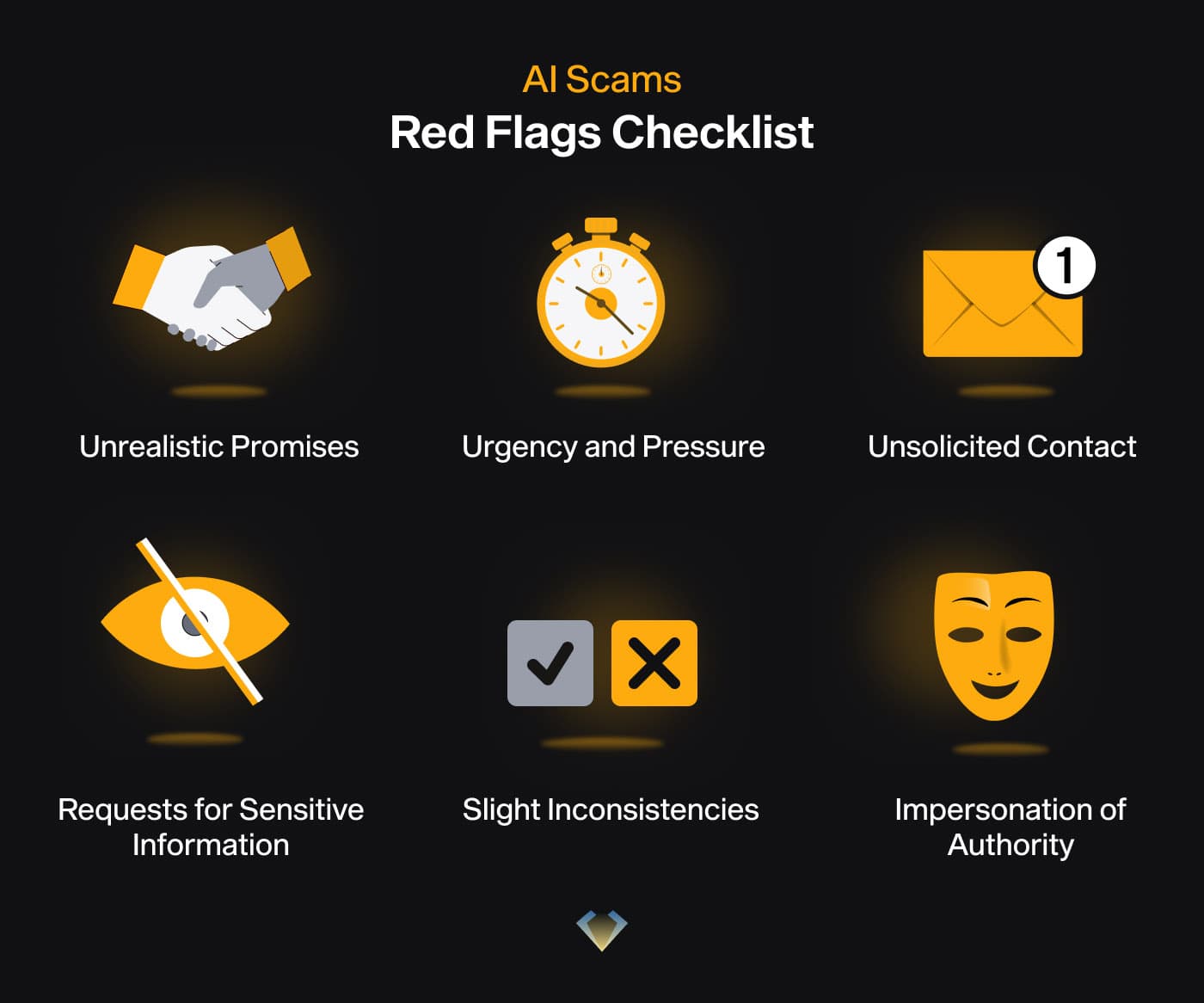
Unrealistic Promises: Guaranteed high returns, “risk-free” investments, or exclusive opportunities are classic hallmarks of scams.
Urgency and Pressure: Scammers push you to act quickly, hoping you’ll skip due diligence.
Unsolicited Contact: Be wary of messages or calls from unknown sources, even if they appear to come from trusted names or family members with slightly off email addresses or usernames.
Requests for Sensitive Information: Legitimate platforms and people will never ask for your private keys, full seed phrase, or PIN.
Slight Inconsistencies: Deepfakes and synthetic identities often have subtle errors—unnatural facial movements, odd voice inflections, or mismatched details in documents and profiles.
Impersonation of Authority: Scammers may pose as executives, government officials, or support staff using AI-generated content.
Best Practices to Protect Yourself from AI Crypto Scams
Verify Sources: Double-check URLs, email addresses, and social media profiles. Contact people through known, official channels if you receive suspicious requests.
Use Multi-Factor Authentication (MFA): Enable biometric and PIN protection on your hardware wallet and associated accounts.
Don’t Share Sensitive Data: Never share your recovery phrase, private keys, or device PIN—no legitimate party will ever ask for them.
Stay Informed: Follow trusted security blogs and updates from NGRAVE Academy to keep up with the latest scam tactics.
Review Transactions Carefully: Always double-check transaction details on your hardware wallet’s screen before approving.
Monitor token approvals: Granting permissions to smart contracts in dApps can be convenient, but entails the risk of signing malicious contracts. With tools like revoke.cash or Etherscan, you can easily revoke these permissions.
Subscribe To The NGRAVE Academy
Knowledge for all levels. Join our newsletter to receive the latest articles.
By signing up, you agree to receive our marketing offers following our Privacy Policy. You can unsubscribe at any time.
How NGRAVE Helps You Stay Safe
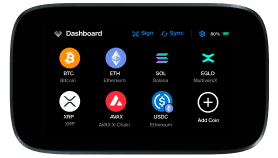
Air-Gapped Security: NGRAVE ZERO never connects to the internet, protecting your private keys from remote phishing and malware.
Biometric Authentication: Only you can access your wallet and sign transactions, even if scammers have your personal information.
Transaction Verification: All transactions must be physically reviewed and approved on the device's 4-inch touchscreen, preventing accidental approvals of fraudulent transfers.
Conclusion
AI scams are automated, personalized, and nearly indistinguishable from real interactions. Your safest move is to slow down, verify independently, and rely on systems that don’t depend on trust.
NGRAVE gives you control that AI can’t override. By taking your keys offline, confirming transactions with biometrics and on a secure display, and storing backups without digital exposure, you become truly secure by design.