

So what should you do?
You are in the bottom 4% of crypto investors. That's not good news. The good thing is that there are many ways you can improve your security setup!
Step 1: Understand the Basics – What is Crypto Security?
Crypto security is crucial to protect your wealth from theft or loss. Here's what you need to understand:
- Private Keys – The Key to Your Crypto
In the world of crypto, your private key is the most important thing to protect. Think of it like a password to your bank account, but much more powerful. If someone else gets access to your private key, they can take your crypto. Without your private key, you cannot access your funds. - Exchanges Aren’t Safe Exchanges like Coinbase, Binance, or Kraken let you buy and sell crypto, but they are not secure for holding your funds long-term. When you store your crypto on an exchange, they control the private keys, not you. This means if the exchange gets hacked or shuts down, your crypto is at risk. To truly own your crypto, you need to control your private keys.
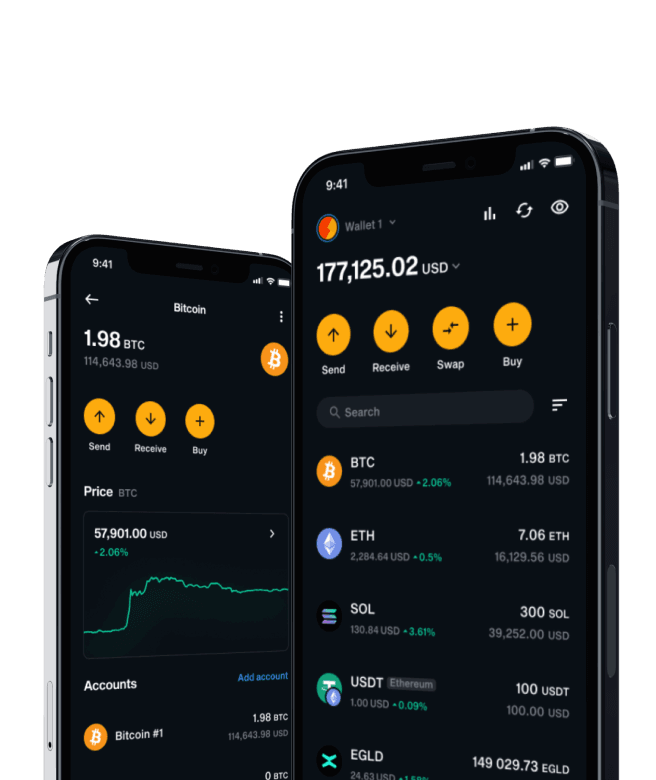
- Self-Custody – Take Full Control of Your Crypto Self-custody means you hold your private keys and control your crypto. When you use a personal wallet (whether software or hardware), the security of your funds is in your hands—and that’s the first step to protect them.
Step 2: Move Your Crypto Off the Exchange ASAP
Here’s how you can start:
- Create a Software Wallet (Temporary Solution):
- What is it?: A software wallet is an app that holds your crypto.
- Why?: It’s safer than leaving crypto on an exchange and gives you control of your private keys.
- How to do it:
- Download a trusted wallet app (like Rabby Wallet or MetaMask). These are free and easy to use.
- Set up your wallet by following the app's instructions. They will give you a 12-24 word recovery phrase. Write this down on paper (not your phone or computer) and store it somewhere safe. This phrase is like a key to your wallet—don’t share it with anyone.
- Transfer your crypto from the exchange to your software wallet:
- First, check the instructions provided by your exchange—each platform may have slight differences in how withdrawals work. That said, the general process looks like this:
- Find the "Send" option on the exchange.
- Enter the wallet address from your new wallet (you’ll find this in the wallet app).
- Choose the amount and send the crypto over to your wallet.
- Tip: Double-check the wallet address carefully when sending. One wrong letter or number can send your crypto to the wrong place.
- First, check the instructions provided by your exchange—each platform may have slight differences in how withdrawals work. That said, the general process looks like this:
Step 3: Moving to a Hardware Wallet (For Long-Term Security)
What is a Hardware Wallet?
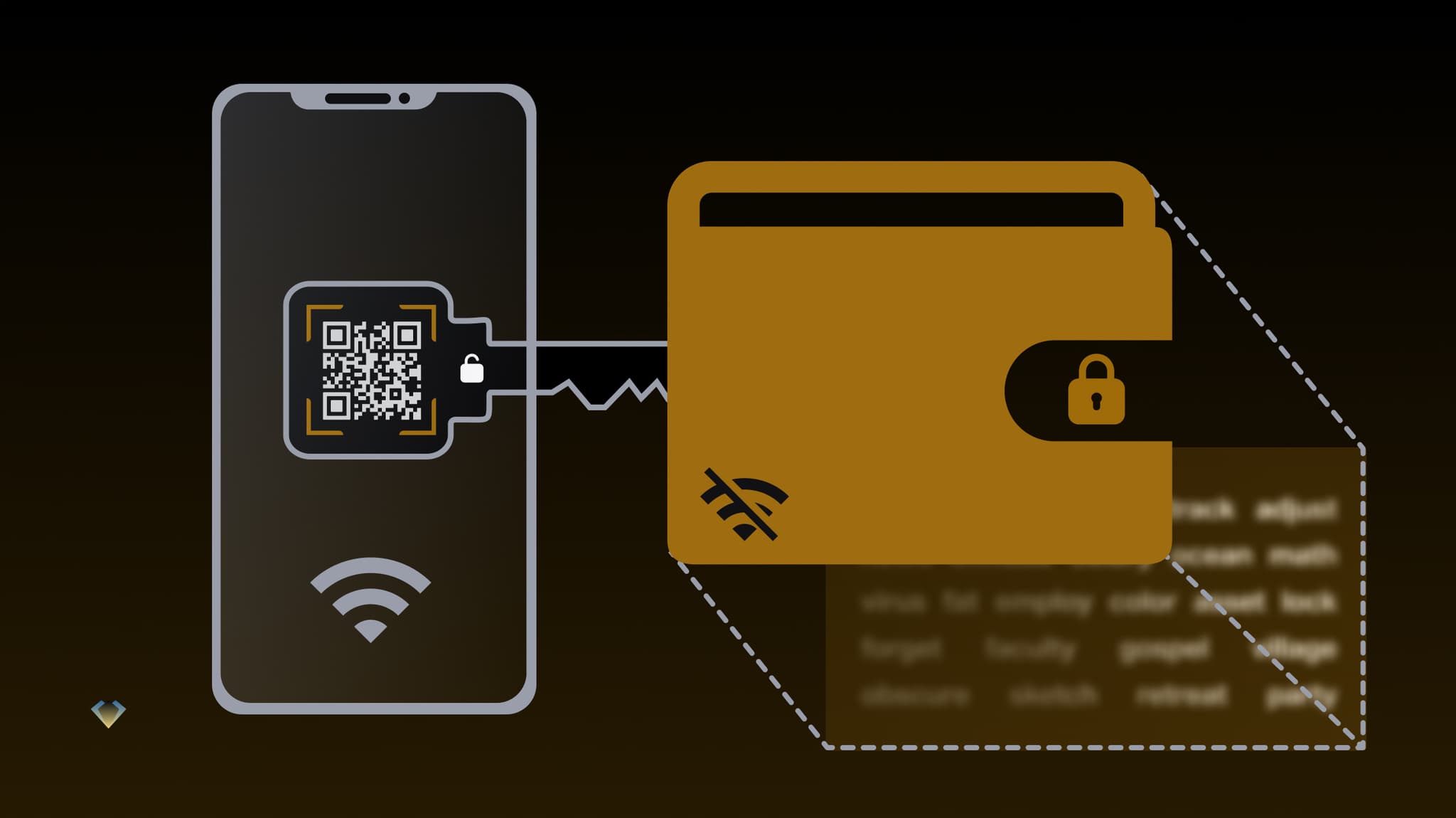
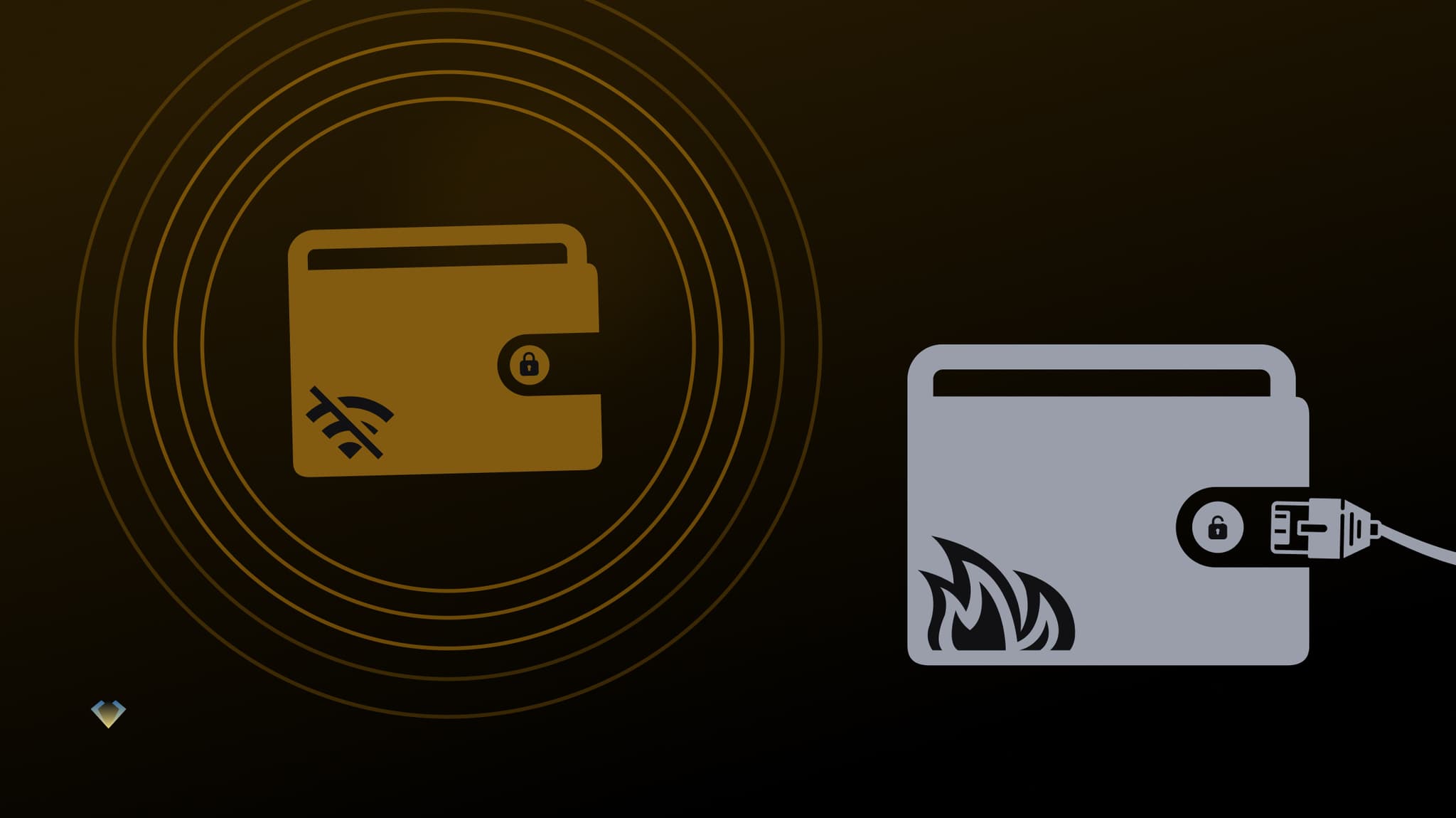
A hardware wallet is a small physical device that stores your crypto keys offline, making it the most secure way to protect your assets from online threats.
Why is it the safest?
- It’s completely offline, so hackers can’t access it remotely.
- Even if your devices connected to the internet (e.g. computer or phone) get compromised, your crypto stays safe.
- You control your keys, so only you can access your crypto.
When to get one?
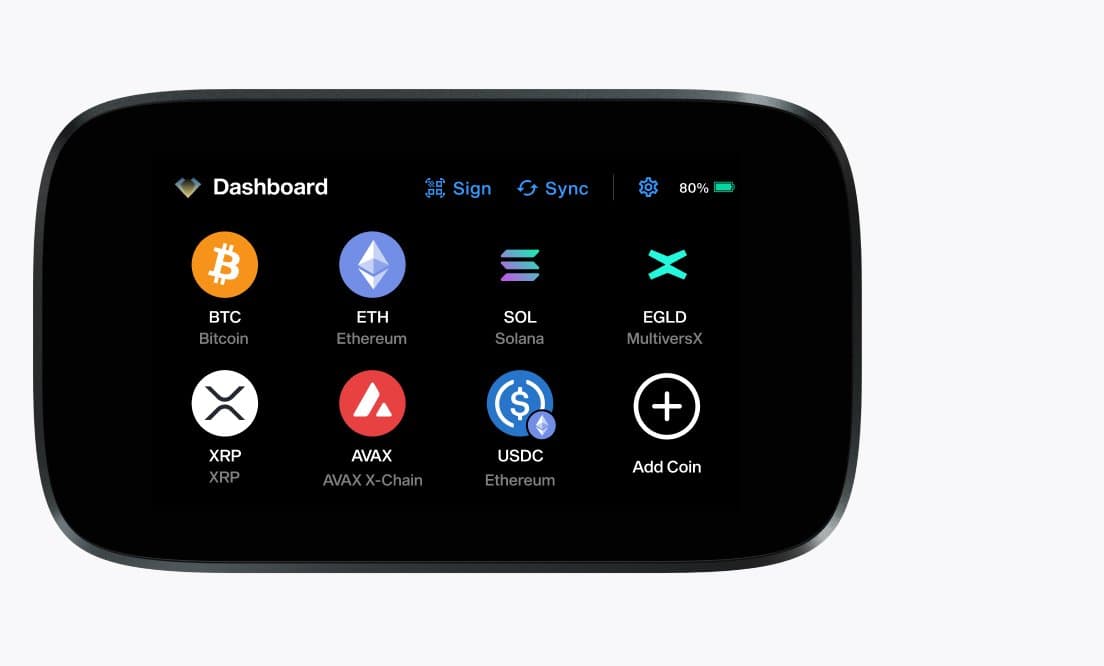
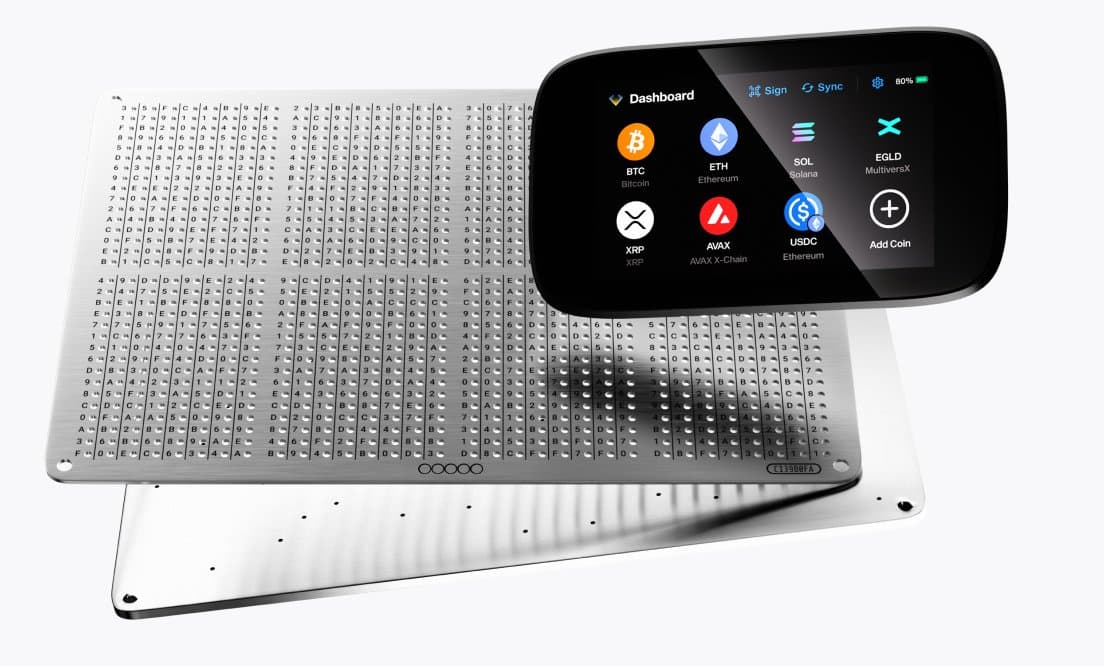
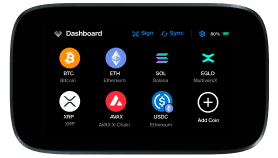
Start with a software wallet if you’re just beginning, but as your portfolio grows, or if you are already holding larger amounts of crypto, it's time to seriously consider a hardware wallet like NGRAVE ZERO, as it is the best long-term protection for your assets. If you already want to take that step, read What exactly is a cryptocurrency hardware wallet? and How To Choose The Best Crypto Hardware Wallet? to find a wallet that best suits your needs.
Step 4: Stay Vigilant – Protect Against Weak Passwords and Phishing Scams
Even with a software or hardware wallet, your crypto can still be at risk if you’re not careful.
- Use strong, unique passwords for all your wallets and accounts.
- Enable 2FA (two-factor authentication) where possible.
- Avoid SMS verification as SIM swap hacks are common, unless you have tools like Efani.
- Be cautious of phishing emails or websites pretending to be wallet providers or exchanges. Always double-check URLs and avoid clicking on suspicious links.
- Never share your seed phrase. A reputable company will never ask for your seed phrase. If someone does, they’re almost certainly impersonating a trusted service or brand.
Step 5: Continue Learning
Here are some resourceful articles that will help you boost your crypto security:
- 5 essential crypto security tips
- 5 Ways To Improve Your Cybersecurity Hygiene, Right Now
- How To Store Your Recovery Seed?
- Subscribe to NGRAVE’s newsletter for latest tips, articles and news
Will you be a lucky winner?
If you submitted your email address in the free test by June 24, 2025, at 23:59 CEST, you are a legible participant in the giveaway! We're giving away:
- 10x NGRAVE COMBO Gold Card Packs
- 10x Efani yearly mobile subscription plans (US residents only).
- 10x Nefture DeFi Intelligent platform access for 2 months
- 3x BTC Direct SOLIDHODLs
There will be 33 randomly selected winners. We will contact them via email by June 30th 2025 the latest. Giveaway terms & conditions
Do not forget to follow NGRAVE on X (@ngrave_official) to stay updated and to share the Security Check with your followers.